


Most businesses assume stronger marketing begins with better messaging, more persuasive copy, or a visually impressive website. While those elements absolutely matter, they are not the real starting point for consistent growth.
The true advantage lies in understanding how people actually behave online when they are not consciously evaluating brands. Every scroll, click, pause and exit reflects a habit that has been shaped over time.
These habits influence purchasing decisions far more than a clever headline ever could. When businesses align their strategy with the natural rhythms of digital behaviour, campaigns begin to feel intuitive rather than forced. As a result, outcomes become far more predictable over time.
In this article, we explore how understanding these digital habits can transform the way marketing strategies are built and executed.
Attention Follows Patterns, Not Logic

Attention does not follow a neat logical path online because people multitask across devices and switch between activities constantly. Research from McKinsey shows that competition for attention is no longer about how long someone spends on a platform. It is about how focused and intentional they are while they are there.
Quality of attention varies widely across content types and routines. This means a user’s engagement in one moment can be more valuable than hours of passive browsing.
For example, someone might scroll casually during a commute. They may engage more deeply with research or content when they have uninterrupted time in the evening.
When marketing strategies ignore these rhythms and the quality of attention, campaigns often fail to connect in meaningful ways. Studying analytics with attention quality in mind allows brands to identify the moments when their audience is most receptive.
Placing content when intent and focus are higher helps reduce wasted spend and significantly improves overall engagement and conversion outcomes.
Habit Formation Drives Repeat Engagement
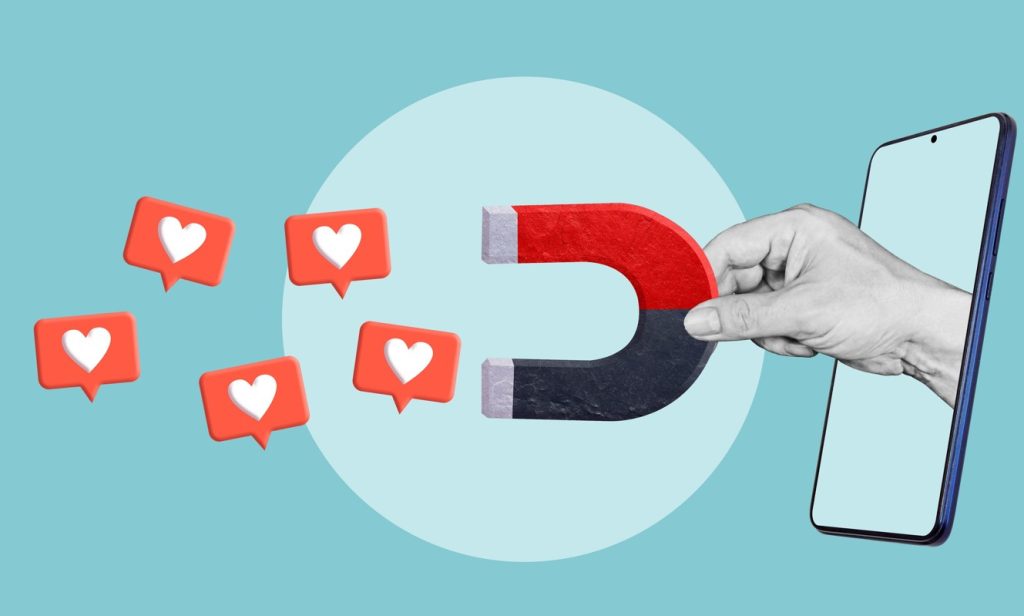
Digital platforms are carefully engineered around habit formation. Notifications, streak systems, achievement tracking and personalised recommendations are all designed to encourage repeat visits. These tools rely on established behavioural psychology principles that reinforce routine use over time and reduce the mental effort required to return.
The gaming industry demonstrates how powerful these mechanics can become when engagement loops are optimised aggressively. Progression systems and variable rewards can keep players immersed for long stretches, sometimes raising wider concerns about video game addiction.
In the United Kingdom, the number of children referred for gaming addiction treatment on the NHS has increased by 500 per cent in just six years. This sharp rise shows how behavioural design can move beyond entertainment and enter public health debate.
In some high-profile cases, parents have filed lawsuits claiming that certain design features encouraged excessive play. Some families are now waiting to see whether those claims lead to a video game addiction lawsuit payout, reflecting growing legal scrutiny.
For brands, this is a warning, not a blueprint. As TorHoerman Law points out, engagement should build loyalty without creating unhealthy dependency. Short-term spikes from overstimulating tactics can damage trust and reputation. Sustainable growth comes from value and consistency, not engineered compulsion.
Friction Quietly Kills Conversions
Many marketing teams focus almost exclusively on persuasion while overlooking fundamental usability issues. As Forbes explains, digital friction acts like a hidden tax on your business. Every unnecessary step slows down the customer experience and erodes trust before a sale happens.
When an online journey stalls, visitors often leave before they ever see your value proposition, which means even strong messaging gets wasted.
Slow-loading pages, complicated checkout flows, unclear navigation and excessive form fields interrupt the decision process. These issues often cost businesses more than weak copy ever does.
Users now expect speed and clarity because modern platforms have trained them to move quickly between tasks. Moreover, studying behavioural flow with analytics tools helps teams pinpoint where hesitation happens and why visitors abandon key steps.
Improving user experience is not glamorous, but it directly aligns with how people operate online today. Remove friction, and conversions often rise dramatically without increasing traffic at all.
Emotional Triggers Influence Digital Decisions
Even in an era dominated by data dashboards and performance metrics, emotion continues to shape how people behave online. Recent research published on ScienceDirect examining digital commerce environments highlights that trust, emotional connection and perceived authenticity significantly influence purchase intention.
The study found that consumers are more likely to engage and convert when they feel emotionally reassured and socially validated. This effect is especially strong in interactive or content-rich settings. Rational evaluation still plays a role, but emotional confidence often determines whether someone proceeds or hesitates.
This reinforces why reviews, testimonials and visible client results matter so much. They reduce uncertainty and create a sense of shared experience. When users skim rather than read carefully, they rely on quick trust indicators such as recognisable logos, ratings and authority cues to assess credibility.
Marketers who understand this behavioural pattern design pages that communicate reassurance immediately. They place social proof early, simplify visual structure and remove ambiguity. By aligning with how users process information emotionally as well as logically, brands reduce cognitive strain and significantly increase the likelihood of conversion.
Personalisation Strengthens Relevance
Modern audiences expect content that feels tailored rather than generic because they are constantly exposed to curated recommendations across different digital platforms. It is the baseline. Research supports this shift.
A 2024 Deloitte study found that around 80 per cent of consumers prefer brands that deliver personalised experiences. Many also reported spending up to 50 per cent more with companies that get it right. That signals a clear commercial advantage.
Personalisation does not require intrusive data practices. It can begin with segmented email campaigns, adaptive website messaging based on browsing behaviour or location-aware content that reflects user context. Even small refinements create the sense that a brand is paying attention.
When people feel understood, their behaviour changes. Browsing becomes more deliberate. Engagement deepens. Leads become more qualified, and long-term value increases because the interaction feels intentional rather than generic or transactional.
FAQs
What makes a good marketing campaign?
A good marketing campaign starts with a clear objective, a strong understanding of the audience and a message that connects both emotionally and logically. It aligns timing, channel selection and user experience to reduce friction and increase relevance. Most importantly, it delivers measurable results while strengthening long-term brand trust.
What is friction in digital marketing?
Friction in digital marketing refers to anything that slows down or disrupts a user’s journey towards taking action. This can include slow-loading pages, confusing navigation, long forms, unclear messaging or complicated checkout processes. Even small obstacles can reduce conversions by breaking momentum and increasing frustration.
What are ethics in digital marketing?
Ethics in digital marketing refer to responsible practices that prioritise honesty, transparency and user well-being. This includes clear communication, truthful advertising, respectful data use and avoiding manipulative tactics. Ethical marketing builds long-term trust and protects a brand’s reputation while still driving measurable results.