


How to Turn Blog Posts Into Actual Enquiries
You’ve probably had a website for years, you might even have a handful of blog posts sitting on there already, and yet the phone still isn’t ringing any more because of it. That’s the most common complaint we hear about blogging for garden room companies: it feels like busywork with nothing to show for it. Usually, that’s not because blogging doesn’t work, it’s because the posts weren’t written with generating an actual enquiry in mind.
There’s a real difference between a blog post that exists purely to tick an SEO box and one that’s genuinely built to turn a reader into a lead. Garden room companies that get real results from their blog are doing something specific with every post, not just publishing content for the sake of it.
Write for the Person Who’s About to Buy, Not Just Browsing
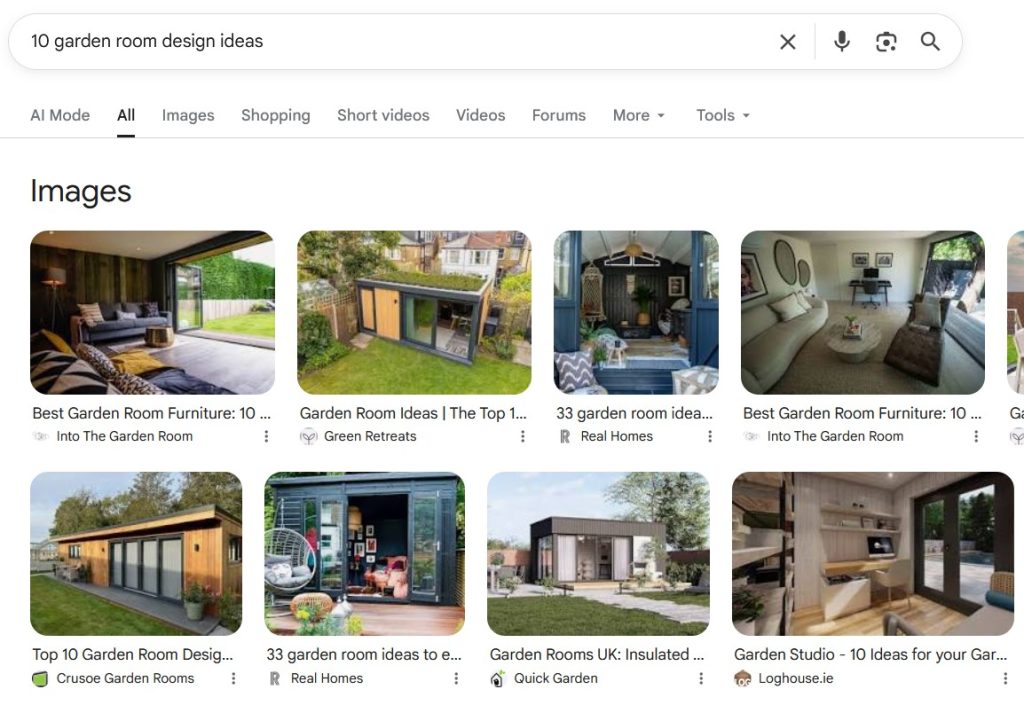
A lot of garden room blogs are stuffed with generic, top-of-funnel content, “10 garden room design ideas,” “why garden rooms are great,” that sort of thing. It reads fine, but it rarely produces an enquiry, because the person reading it isn’t close to making a decision yet.
The posts that actually convert tend to answer the specific, practical questions someone asks right before they’re ready to get a quote: “how much does a garden room cost in 2026,” “do I need planning permission for a garden room,” “how long does a garden room take to install.” These are the questions of someone who’s already decided they want one and is now working out the practical details, which puts them a lot closer to picking up the phone.
Every Post Needs a Job to Do
Before writing a single word, decide what you actually want that specific post to achieve. Is it there to drive a quote request directly? Support a particular service page, like garden offices or garden gyms? Or build trust by answering a hesitation that’s stopping people enquiring, like cost or planning permission?
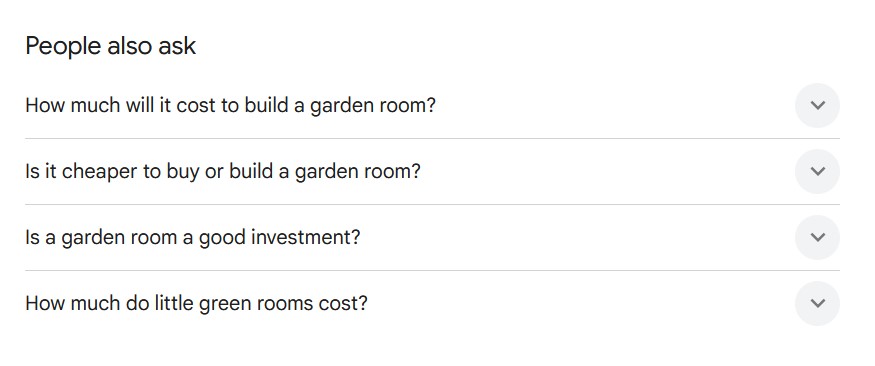
A post with no clear job tends to wander, cover a bit of everything, and end without a strong call to action because it was never built with one in mind. A post written to answer “how much does a garden room cost” with a clear goal of driving quote requests will naturally build toward a strong, specific call to action at the end, because that was the whole point of writing it.
Link Every Post Back Into Your Site Properly
This is where a lot of garden room blogs leave leads on the table. A brilliant post about garden offices that never links through to your actual garden office service page is a dead end. The reader gets their answer and leaves, with no obvious next step.
Must Read: Reviews for Garden Room Companies
Every blog post should link naturally back to the relevant service page or location page at the point it makes sense, not just as an afterthought bolted on at the very end. If you’re writing about the best type of garden room for a home gym, link straight through to your garden gym page the first time it’s mentioned. If you’re covering garden rooms in a specific part of your coverage area, link through to that town’s page. This keeps the reader moving toward an enquiry rather than reading one post and disappearing.
100 blog post topics
Cost & Pricing (10)
- How Much Does a Garden Room Cost in 2026?
- Garden Room Prices: What Affects the Cost?
- Garden Office vs Extension: Which Is Cheaper?
- Cheapest Ways to Add a Garden Room Without Cutting Corners
- Garden Room Finance Options Explained
- Is a Garden Room Worth the Investment?
- Hidden Costs to Budget for With a Garden Room
- Garden Room Cost Per Square Metre Explained
- Insulated vs Non-Insulated Garden Rooms: Price Difference
- How Much Value Does a Garden Room Add to Your Home?
Planning & Regulations (10)
- Do You Need Planning Permission for a Garden Room?
- Permitted Development Rights for Garden Rooms Explained
- Garden Room Height and Boundary Rules You Need to Know
- Can You Live in a Garden Room Full-Time?
- Building Regulations for Garden Rooms: What Applies?
- Garden Rooms and Party Wall Agreements
- What Happens If You Build a Garden Room Without Permission?
- Garden Room Size Limits Explained
- Do Garden Rooms Need Planning Permission for Rental Properties?
- Listed Buildings and Conservation Areas: Garden Room Rules
Types & Uses (15)
- Best Garden Room Ideas for a Home Office
- Garden Gym Ideas: Designing Your Own Home Workout Space
- How to Design a Garden Bar for Entertaining
- Garden Studios for Artists and Creatives
- Garden Room Games Room Ideas
- Garden Salon Setup: What to Consider
- Garden Steam Rooms and Home Spas: Is It Worth It?
- Garden Annexes for Elderly Relatives: A Full Guide
- Garden Rooms as a Guest Suite: What You Need
- Garden Rooms for Teenagers: Creating Their Own Space
- Music Rooms in the Garden: Soundproofing Tips
- Garden Room Man Caves: Design Ideas
- Garden Rooms as a Rental Income Space (Airbnb-Style)
- Multi-Use Garden Rooms: Office by Day, Gym by Night
- Garden Rooms for Small Businesses: Salons, Studios and More
Design & Build (15)
- Garden Room Design Trends for 2026
- Choosing the Right Cladding for Your Garden Room
- Flat Roof vs Pitched Roof Garden Rooms
- Garden Room Insulation: What You Actually Need
- Best Flooring Options for Garden Rooms
- Garden Room Window and Door Options Explained
- How to Heat a Garden Room Efficiently
- Garden Room Electrics: What’s Involved
- Garden Room Foundations: Base Options Explained
- Timber vs Composite Garden Rooms
- How to Soundproof a Garden Room
- Garden Room Lighting Ideas
- Adding Broadband and Wi-Fi to Your Garden Room
- Garden Room Ventilation: Why It Matters
- Eco-Friendly and Sustainable Garden Room Options
Buying Process & Choosing an Installer (10)
- How to Choose the Right Garden Room Installer
- Questions to Ask Before Hiring a Garden Room Company
- Red Flags to Avoid When Choosing a Garden Room Builder
- What to Expect During a Garden Room Consultation
- Garden Room Installation Timeline: What to Expect
- DIY Garden Room vs Hiring a Professional
- What’s Included in a Garden Room Quote?
- How to Compare Garden Room Quotes Properly
- Garden Room Warranties: What to Look For
- What Happens After You Book Your Garden Room Installation?
Location-Specific / Local (10 — adapt to your coverage areas)
- Garden Rooms in [Town]: A Local Buyer’s Guide
- Best Gardens in [Town] for a Garden Room
- Garden Room Planning Permission Rules in [County]
- Case Study: A Garden Office Installation in [Town]
- Why [Town] Homeowners Are Choosing Garden Rooms
- Garden Room Prices in [County]: What to Expect
- Local Spotlight: Garden Gym Build in [Town]
- Garden Rooms and [County] Council Planning Rules
- Top Garden Room Trends We’re Seeing in [County]
- Garden Room Case Study: [Town] Family Home Transformation
Seasonal & Timing (10)
- Best Time of Year to Install a Garden Room
- Preparing Your Garden Room for Winter
- Summer Garden Room Cooling Tips
- How Long Does a Garden Room Take to Build?
- Garden Room Maintenance Checklist for Every Season
- Should You Book Your Garden Room Installation in Advance?
- Garden Rooms as a New Year Home Improvement Project
- Autumn Garden Room Upgrades to Consider
- Spring Garden Room Renovation Ideas
- Christmas Garden Room Ideas: Extra Space for Guests
Comparisons & Decision-Making (10)
- Garden Room vs Conservatory: Which Is Better?
- Garden Room vs Loft Conversion: Pros and Cons
- Garden Room vs Shed Conversion: What’s the Difference?
- Garden Room vs House Extension: Cost and Value Compared
- Insulated Garden Room vs Summer House
- Garden Office vs Renting Co-Working Space
- Prefab vs Bespoke Garden Rooms
- Garden Room vs Home Gym Membership: Long-Term Costs
- Single-Storey vs Two-Storey Garden Rooms
- Garden Rooms vs Converting a Garage
Trust, Case Studies & Behind the Scenes (10)
- Before and After: Our Favourite Garden Room Transformations
- Customer Story: Why [Client Name] Chose a Garden Office
- A Day in the Life of Our Garden Room Installation Team
- What Makes Our Garden Rooms Different
- Common Garden Room Myths, Debunked
- Mistakes to Avoid When Planning a Garden Room
- How We Ensure Quality on Every Garden Room Build
- Garden Room FAQs: Your Questions Answered
- What Our Customers Say: Garden Room Reviews Roundup
- Meet the Team: Who’s Building Your Garden Room
Build a Strong, Specific Call to Action Into Every Post
Too many garden room blog posts end with a vague “get in touch if you’re interested,” buried in a single line at the bottom. That’s not enough to actually move someone to act. A stronger approach is a clear, specific call to action tied to what the post was about: “Ready to see what a garden office could cost for your space? Get a free, no-obligation quote today,” linking directly to your quote request page, not just your homepage.
Must Read: From No Consistent Leads to 70 Enquiries a Month
Where it fits naturally, adding a second call to action partway through the post, not just at the very end, gives readers who are ready to act sooner a chance to do so without having to scroll to the bottom first.
Use Real Examples and Numbers, Not Vague Claims
Garden rooms are a big purchase, and vague reassurance doesn’t do much to move someone toward enquiring. Specific detail does. Rather than writing “garden rooms are a great investment,” a post that says something like “a well-built garden office typically adds more value to a property than it costs to install, according to recent estate agent surveys” gives the reader something concrete to weigh up.
The same goes for your own results. If you’ve completed forty garden gym installs across Essex in the last two years, that’s a genuine detail worth including in relevant posts, rather than a generic claim about experience. Specificity is what makes a blog post feel credible rather than like generic marketing copy, and credibility is what gets someone to actually enquire.
Don’t Neglect the Middle of the Funnel
Not every visitor reading your blog is ready to enquire today, and that’s fine, but it doesn’t mean the post should give up on them. Including a lower-commitment next step, like a downloadable garden room size guide or a link to your pricing page, gives you a way to keep someone engaged with your business even if they’re not ready for a full quote request yet.
Track Which Posts Are Actually Working
Once you’ve got a handful of posts live, it’s worth checking which ones are actually driving enquiries, not just traffic. A post that gets plenty of visitors but no clicks through to your quote page probably needs a stronger call to action or a clearer link through to a relevant service page. A post with fewer visitors but a high enquiry rate is doing exactly what it should, and it’s worth understanding why, so you can replicate it in future posts.
Bringing It All Together
Blogging for garden room companies only produces real leads when every post is written with a clear job to do, answers the specific questions someone asks right before they’re ready to buy, links properly back into the rest of your site, and ends with a strong, specific call to action rather than an afterthought. Traffic on its own doesn’t pay the bills, enquiries do, and the difference between the two usually comes down to exactly these details.
If your blog’s been getting visitors but not enquiries, get in touch and we’ll take a look at what’s missing and build a content plan that’s actually built to convert.