

Scaling a business is an exciting milestone for any entrepreneur, but it also comes with new challenges. More orders to fulfil, more customers to serve, and more processes to manage – if not handled properly, growth can quickly become overwhelming. This is where having the right tools and systems in place makes all the difference.
Shopify has become one of the most popular eCommerce platforms in the UK because it is built with scalability in mind. From small start-ups to established brands, it provides the flexibility, features, and integrations needed to grow without compromising efficiency.
Whether you’re looking to expand your product range, reach a global audience, or streamline your operations, Shopify offers solutions to help you scale smartly and sustainably. Let’s explore the key strategies that can help you take your Shopify store to the next level.
1. Optimise Your Store for Performance
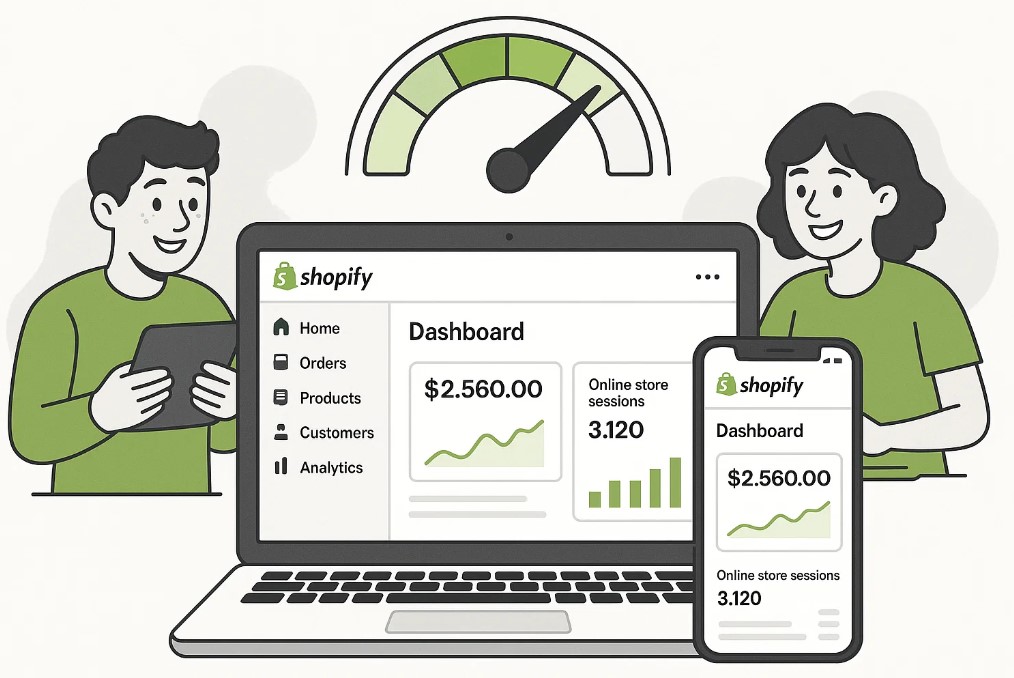
Your store’s performance plays a major role in customer satisfaction and conversions. As your business grows, your website must be able to handle higher traffic without slowing down. Start by using a lightweight, responsive theme and compressing images to improve loading speeds. A mobile-first design is also crucial since more than half of online shopping in the UK happens on smartphones.
Simplifying navigation is equally important. As your product catalogue expands, categorise items clearly and use a clean menu structure so customers can find what they need without frustration. An easy-to-use search bar with filtering options can also make browsing much more efficient.
 shopify optimisation
2. Leverage Shopify Apps and Integrations
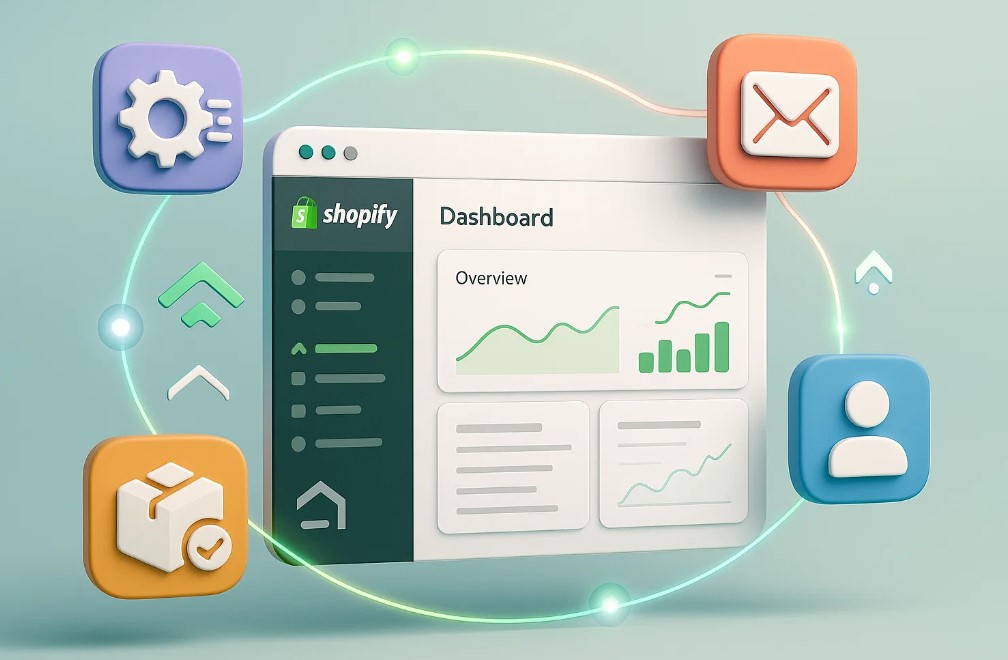
Shopify’s app marketplace is a goldmine for business growth. Whether you need help with marketing automation, inventory management, or customer engagement, there’s an app to suit your needs. For instance, email marketing tools like Klaviyo or Omnisend allow you to automate personalised campaigns, while inventory integrations can keep your stock levels in sync across multiple sales channels.
Businesses can also benefit from Shopify development services to create custom integrations that address unique operational requirements. This could mean connecting your store with third-party ERP systems, building a bespoke loyalty programme, or creating a tailored dashboard for analytics. By leveraging apps and custom development, you can make your operations far more scalable.
3. Expand Your Product Range Strategically
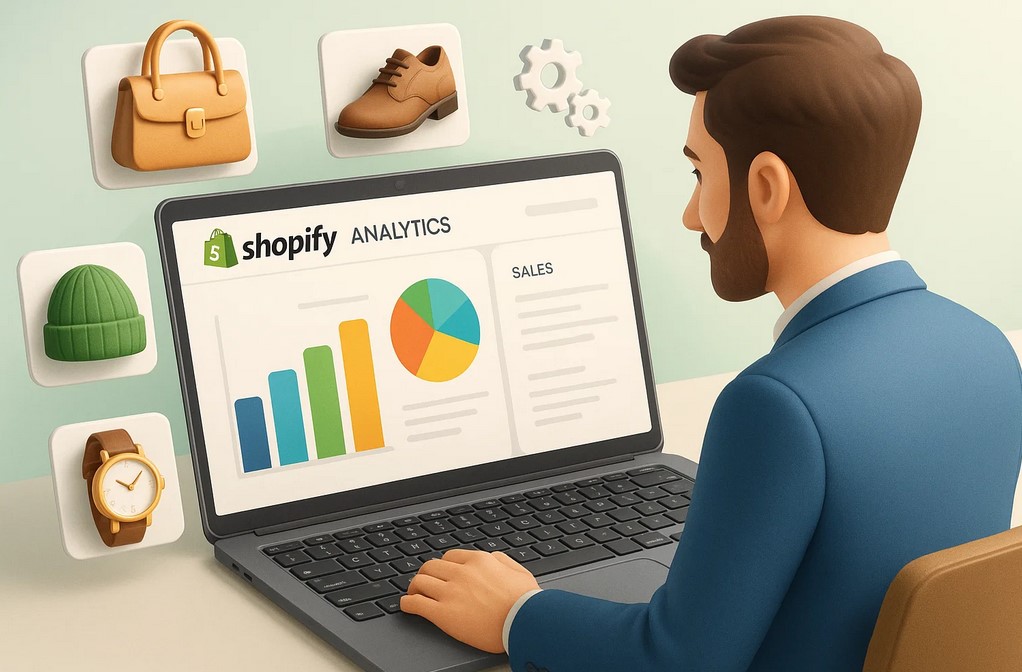
Adding new products is a great way to increase revenue, but it needs to be done strategically. Use Shopify’s built-in analytics to identify which categories are most popular and what customers are searching for. Expanding your range with complementary products often works better than introducing entirely unrelated items.
Before a full-scale launch, consider testing new products with small inventory runs. This reduces financial risk and allows you to gather feedback before committing to larger orders. You can also run limited-time offers to gauge interest and urgency.
 shopify apps
4. Streamline Operations with Shopify’s Built-in Features
Shopify offers a variety of built-in tools that make scaling more manageable. Shopify Shipping, for example, allows you to automate fulfilment processes and get discounted rates from shipping partners. You can also use Shopify POS (Point of Sale) to unify your online and in-person sales, keeping all transactions in one place.
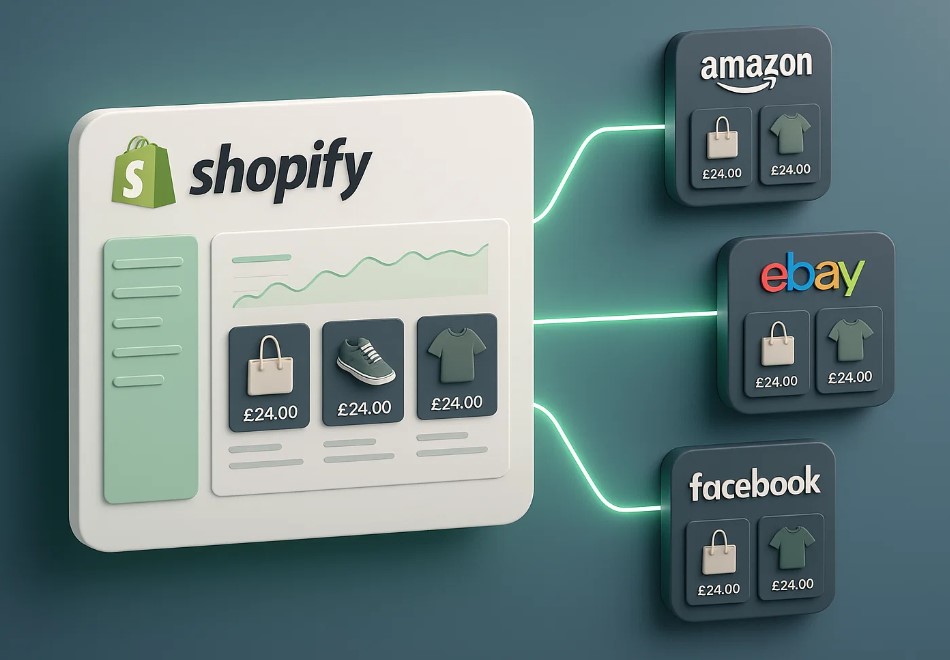
Multi-channel selling is another powerful feature. Shopify allows you to list and manage products on platforms such as Amazon, eBay, and Facebook directly from your dashboard. This ensures consistent pricing, inventory management, and branding across all your sales channels.
5. Improve Marketing & Customer Acquisition
As your store scales, your marketing efforts need to grow with it. Shopify offers built-in SEO features to help your store rank higher in search results. Use keyword-rich product descriptions, optimise your images with alt text, and create a blog to drive organic traffic.
You can also run targeted paid advertising campaigns directly from Shopify’s marketing dashboard. Integrations with Facebook Ads and Google Ads allow you to track performance without switching between platforms. Partnering with influencers or launching affiliate programmes can further extend your reach.
 product analytics
6. Personalise the Customer Experience
Personalisation is no longer a “nice to have” – it’s an expectation. Shopify’s customer segmentation tools let you group buyers based on purchase history, location, or spending habits. You can then send tailored offers, loyalty rewards, or personalised product recommendations to boost engagement and repeat purchases.
Improving conversions goes hand in hand with personalisation. Using Shopify CRO strategies can help you get the most out of every marketing effort while giving your customers a smooth, seamless experience.
Don’t overlook abandoned cart recovery either. Shopify’s built-in feature automatically sends reminder emails to customers who leave items in their baskets, helping you recover lost sales.
7. Ensure Scalable Payment & Checkout Solutions
A smooth checkout process can make or break a sale. Shopify Payments offers a secure, fast, and fully integrated solution that supports multiple payment methods including PayPal, Apple Pay, and Klarna. Offering different payment options can improve conversion rates, especially when selling internationally.
 shopify to amazon
For returning customers, enable one-click checkout to speed up the process and reduce friction. This is particularly valuable during high-traffic sales events when customers expect quick, hassle-free transactions.
8. Monitor and Analyse Growth Metrics
Data-driven decision-making is key to scaling successfully. Shopify provides detailed reports on sales, customer behaviour, and marketing performance. You can also integrate with Google Analytics 4 to gain deeper insights into website traffic and conversion funnels.
Tracking KPIs such as conversion rate, customer acquisition cost (CAC), and average order value (AOV) will help you refine your strategies and identify which areas need more attention.
9. Maintain Excellent Customer Support
Customer support is often overlooked during rapid growth, but it’s vital for retention. Use Shopify-compatible live chat apps to assist customers in real time. Create a comprehensive FAQ and help centre to reduce repetitive queries.
 How to Scale Your Business Efficiently with Shopify?
Respond promptly to reviews – both positive and negative – to show you value customer feedback. Building trust and loyalty will help sustain growth in the long run.
10. Keep Your Tech Stack Updated
Finally, keeping your store’s technology up to date is essential for security and performance. Regularly update your Shopify theme and apps to benefit from the latest features and improvements.
Remove any unused integrations that could slow down your site. Experiment with new Shopify tools as they roll out, as these can often provide competitive advantages.
Conslusion
Scaling your business efficiently with Shopify is all about smart planning, strategic use of tools, and a customer-first approach. By optimising performance, leveraging apps, expanding products strategically, and keeping operations streamlined, you can grow sustainably without losing control.
If you’re ready to take your store to the next level, consider working with experienced Shopify development services to create tailored solutions that meet your specific growth needs. With the right strategy, your Shopify store can handle increasing demand while delivering a seamless experience to customers.